


Bus & Win Invite Codes
App Store Rating

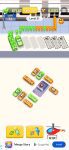
Bus & Win is a unique game that challenges players to sort cars in a traffic jam. Players must plan their cars according to arrows, completing levels that range from simple roads to complex intersections. The game offers cash withdrawals and pleasant surprises, providing a combination of entertainment and rewards.

- Released: 2025
- Offered by: Long Live Games
What EARNING opportunities does this app/website offer?
? Refer-A-Friend
? Games
Earnings Disclaimer: We can not guarantee that you will make any referral bonus income from using our website to post your referral codes and links.

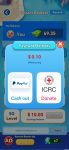

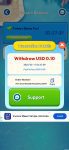

? PayPal
? Charity Donation
Confirmed Payout: Yes
Cashed out $0.10 to PayPal on 3/16/25, received the next day.
Minimum to Redeem:
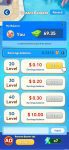
PayPal, ICRC Donate – $0.10 (Allowed only once, must reach level 20), cashout more every 10 levels completed, reach level 60 to unluck full balance withdraw.
Cashout Disclaimer: We can not guarantee that all the cashout methods and minimums mentioned above will be available to all users. Cashout methods available to you can depend on what country you live in and other additional factors.


(The above links are not referral links. Use the links above to download the app and manually enter your referral code. Please see “Featured Referral Code / Link” tab for the current referral code or link)
? Referral Bonus
Person Referring: Earn up to 30 treasure chests for each invited friend who uses your referral link to signup.
Person Referred: Not specified.
For additional referral codes / links see User Submitted Referral Codes section below.
Problem with link or code? Contact Us.
Post your referral codes or links for free below. You must register and be logged in for the link to be valid to submit your code.

User Submitted Referral Codes
*Click to expand tabs to see referral codes.
Bus & Win Referral Code
??Come join me on the Bus & Win app to start earning rewards, make easy money in USD, and withdraw effortlessly!
Check out the Bus & Win – Traffic Jam page for more information about the app and to add your referral code.
Table of Contents
 miracle1977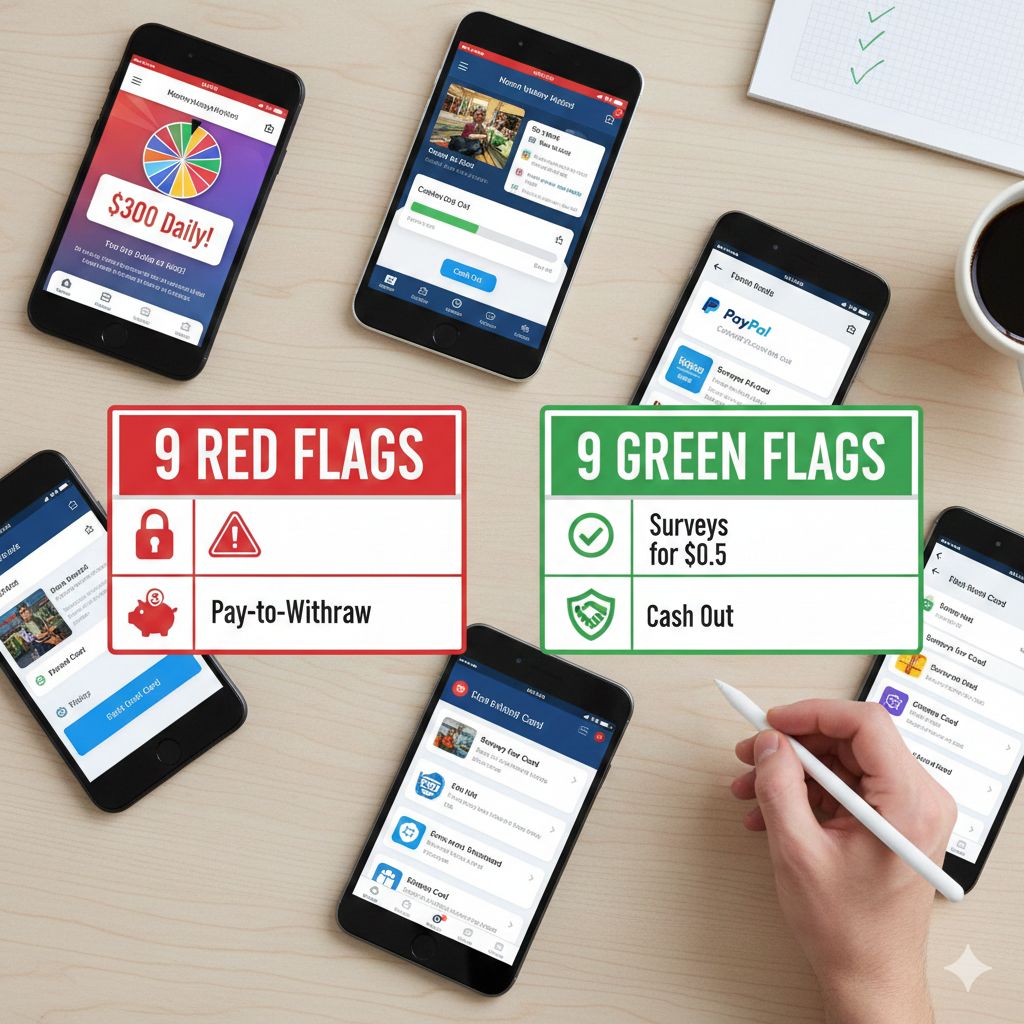
Are money making apps legit? 9 Red Flags and 9 Green Flags to Check First
Are money making apps legit? People ask this constantly because the experience is all over the map. As we head into 2026, the question of whether money making apps are legit is more important than ever as new platforms emerge daily. One person cashes out a $10 gift card in a day; another hits a “processing” screen forever, gets asked to pay a fee, or watches the app vanish from the store entirely.
Some of these apps are real businesses with clear revenue sources like advertising, affiliate partnerships, or market research. Others are built to waste your time, harvest your data, or pressure you into sending money. This guide helps you determine if money making apps are legit before you hit “install.”
A Quick Baseline Check Before You Install
Before getting into a deeper review, do a fast “store page reality check.” Look at the rating, the review count, and the “last updated” date. A strong rating with a tiny number of reviews is not a win—it can be easily manipulated. Also, open the developer profile; legit publishers usually have a track record, a website, and a professional support email.
How to Tell if Money Making Apps are Legit: 9 Red Flags
The red flags below do not guarantee an app is a scam, but a cluster of them usually means you should walk away.
| Red Flag | What it Looks Like | Why it Matters |
|---|---|---|
| 1. Unrealistic Claims | “$300 a day” for simple tapping. | Real margins are thin; huge payouts aren’t sustainable. |
| 2. Pay to Withdraw | A fee, “tax,” or “VIP upgrade.” | The FTC warns: Never pay someone to get paid. |
| 3. Payout Thresholds | Progress slows as you get near the minimum. | Scams design the last 10% to be unreachable. |
| 4. Vague Rules | No timeline or clear payout details. | Fuzzy rules let support deny payouts at will. |
| 5. Excessive Permissions | Asking for SMS, contacts, or call logs. | Enables data tracking or OTP interception. |
| 6. Developer Anonymity | No website or support contact info. | No recourse if the app vanishes. |
| 7. Bot Review Patterns | Walls of identical 5-star praise. | Fake reviews hide legitimate complaints. |
| 8. Recruitment Focus | Earnings rely on inviting others. | Resembles unsustainable pyramid mechanics. |
| 9. Technical Weirdness | Pop-ups or battery drain. | Risk of malware or background crypto-mining. |
Verified Signals: Are Money Making Apps Legit in 2026?
When testing if money making apps are legit, look for these hallmarks of professional operations. Green flags are “reasons to keep evaluating.”
| Green Flag | What it Looks Like | Why it Helps |
|---|---|---|
| 1. Detailed Reviews | Users describe specific tasks and cashouts. | Harder to fake than generic praise. |
| 2. Clear Payouts | PayPal, Gift Cards, or Bank Transfer visible. | Transparency forces accountability. |
| 3. Reasonable Math | Cents per survey; realistic progress. | Real programs sound a bit “boring.” |
| 4. Recent Updates | Updated within months, not years. | Lowers security risk. |
| 5. Minimal Permissions | Permissions match features. | Less data exposure. |
| 6. Real Support | Working help center or ticket system. | You have someone to contact if things break. |
| 7. Consistent Terms | Privacy policy is easy to find. | You can see the rules upfront. |
| 8. Stable Presence | Long-running listing. | Less likely to be a fly-by-night scam. |
| 9. Outside Trust | Third-party payout tests. | Independent checks reduce guesswork. |
The Promo-Trader Standard
Promo-Trader focuses on curating referral codes with a heavy emphasis on payout vetting. This separates “this sounds good” from “someone actually cashed out under test conditions.”
Safer Habits to Stay in Control
- The “Test-First” Mindset: Aim for the smallest cashout quickly to prove legitimacy.
- Separate Email Address: Use a dedicated email for “earning” apps to keep your primary inbox clean.
- Limit Permissions: Deny accessibility or SMS access unless absolutely needed for a specific task.
- Screenshot Rules: Document terms and progress in case they change mid-task.

Cash Back vs Points vs Miles 2026: Which Rewards Type Saves the Most?
Are you struggling to choose between cash back vs points vs miles in 2026? While 5% back or 60,000 points sound great in marketing, they are three different currencies with vastly different rules. In the era of AI-driven “Agentic Commerce,” the winner is the one that matches your actual spending habits and redemption effort.
The Three Currencies: Cash Back vs Points vs Miles 2026 Comparison
Before building your strategy, you must understand how each currency behaves in today’s market. In the debate of cash back vs points vs miles 2026, value is determined by stability and effort. According to recent data from NerdWallet’s 2026 credit card analysis, consumer preference is shifting toward flexible currencies that guard against inflation.
- Cash back: The most stable currency. Spend $100, get $2 back on a 2% card. It is simple, predictable, and requires zero effort to redeem.
- Flexible Points: A versatile bank currency. You can redeem for statement credits or transfer to travel partners for higher value.
- Miles: Usually tied to an airline. While they offer the highest potential “cents per dollar” for luxury travel, they are volatile and subject to award availability.
The Real-World Math of Cash Back vs Points vs Miles in 2026
The only clean way to compare cash back vs points vs miles 2026 offers is to convert them into a single metric: effective return percentage.
If your travel card earns 3X points and you redeem at 1.5 cents per point, your effective return is 4.5%. However, if you redeem for cash at 1 cent per point, that same card only gives you a 3% return. This variability is why points and miles cards require more “babysitting” than cash-back cards, a factor highlighted in the Forbes Advisor 2026 Rewards Report.
Category-by-Category: Who Wins the 2026 Rewards Battle?
Based on typical U.S. household spending in 2026, here is how the different rewards types stack up across major categories.
| Spend Category | Cash Back (%) | Points/Miles | 2026 Winner |
|---|---|---|---|
| Groceries | 3% to 6% | 1X to 2X | Cash Back |
| Dining | 3% to 5% | 3X to 4X | Points |
| Gas | 3% to 4% | Often 1X | Cash Back |
| Airfare/Hotels | 1% to 2% | 3X to 5X | Miles |
Why Cash Back Wins for Most Households
For the median person, cash back is the highest real-world saver. It eliminates the risk of points devaluing or expiring. Simple rewards get used, whereas miles often sit unused. For travelers seeking high-value airline redemptions, U.S. News & World Report consistently ranks Alaska Airlines and American Airlines as top picks for 2026 for those who do choose the miles route.
Using referral bonuses on cash-back cards is a powerful way to stack extra dollar-for-dollar value without the complexity of travel portals.
Conclusion: Cash Back vs Points vs Miles 2026 Decision Checklist
To finalize your cash back vs points vs miles 2026 strategy, ask yourself these three questions:
- Simplicity: Do you want your rewards to be automatic? Choose Cash Back.
- Luxury: Do you want to fly Business Class for “free”? Choose Miles.
- Flexibility: Do you want to decide later? Choose Points.
For most, a “Hybrid Wallet”—one flat-rate cash card and one high-multiplier travel card—is the best way to win. Ready to find the highest-paying offers? Visit Promo-Trader to access tested referral programs and confirmed cashouts today.
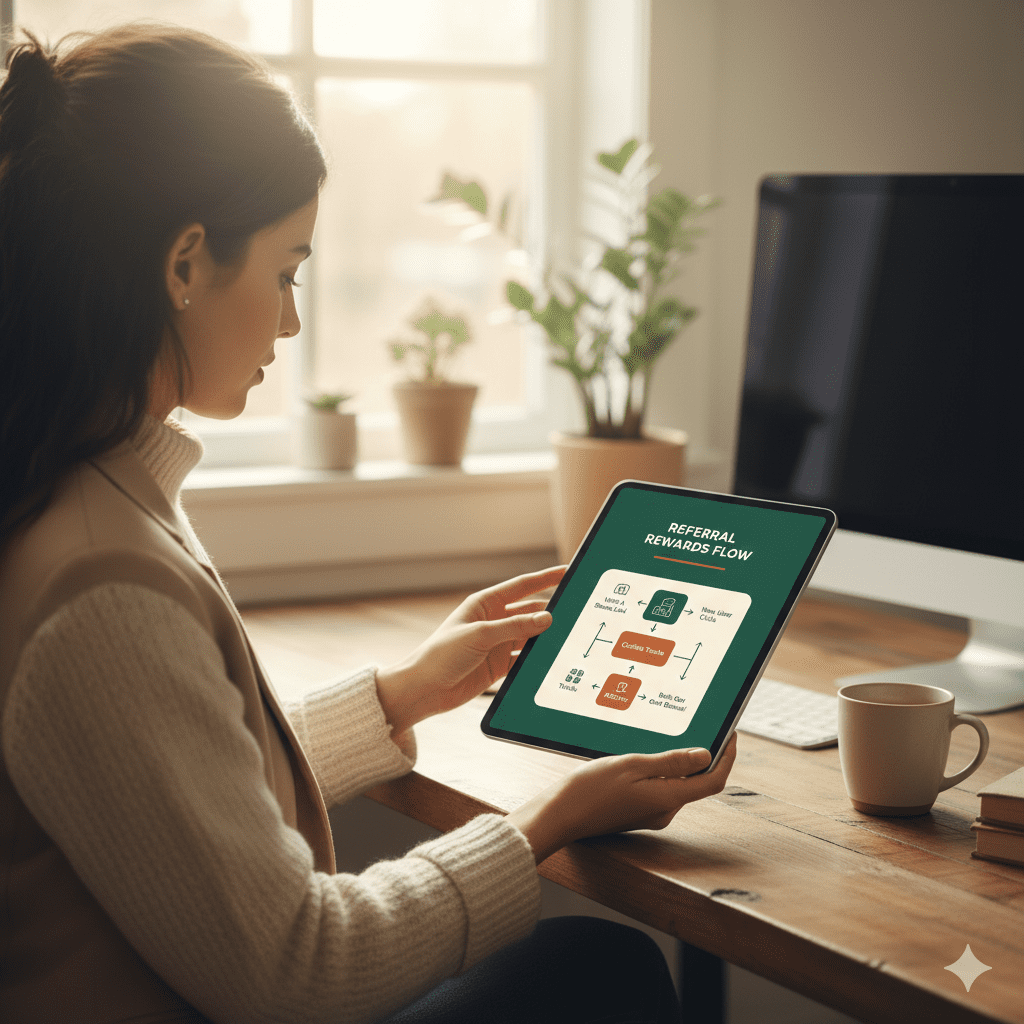
How Referral Links Work to Boost Your Rewards
Clicking a friend’s referral link feels simple: you tap a URL, sign up, and someone gets a bonus. Behind that clean experience is a small chain of tracking steps that decide how referral links work to credit your account, how long that credit lasts, and what has to happen before any reward shows up.
Once you know the basics, it gets easier to troubleshoot missing bonuses, spot referral offers that are worded in a misleading way, and share links in a way that is fair to both sides.
What a referral link actually contains
A referral link is usually a normal page URL plus one extra piece of information that identifies the person who shared it. To understand how referral links work, look for identifiers that might look like a short code, a partner ID, or a path built into the link. These parameters often follow W3C standards for URI structure.
Common ways that ID shows up include:
- As a query parameter: (e.g., ?ref=123)
- As a short link that redirects: (e.g., brand.co/friend)
- As a code typed at signup or checkout: Manual entry fallback.
The Mechanics: How Referral Links Work on Click
When a new visitor lands on the signup page, the website or app reads the referral ID from the link. To ensure referral links work even if you browse and return later, programs use first-party cookies to “remember” the referrer for a specific cookie window (usually 30 to 90 days).
| Tracking piece | What it does | Typical time limit | Where it fails most often | What you can do |
|---|---|---|---|---|
| URL parameter | Identifies the referrer on the landing visit | Only on that visit unless saved | Link copied wrong, redirected poorly | Open link directly; avoid manual copy/paste |
| First-party cookie | Remembers the referrer for later visits | Often 30–90 days | Cookies blocked, cleared, or rejected | Accept required cookies for tracking to count |
| Referral code | Manual backup for attribution | Program-defined | People forget to enter it; code ineligible | Save the code before checkout or signup |
| Account-based attribution | Credits based on what account invited you | Program-defined | Multiple accounts; signing up with different email | Stick to one email/device during signup |
When Bonuses Trigger (and Why They Sometimes Don’t)
A referral bonus is almost never paid just for a click. Programs pay for a qualifying event (verified signup, purchase, or deposit). Bonuses can still look “missing” if the event hasn’t cleared review or fraud control. Always check the timing and eligibility rules.
Sharing Respectfully
Referral marketing works best with transparency. Per the FTC Endorsement Guides, you should disclose your financial relationship. Lead with value: say what they get, what you get, and what they must do to trigger the bonus.
Where Promo-Trader Fits In
Promo-Trader curates codes and applies a payout-vetting process to document confirmed cashouts. This verification step ensures you are using links that actually result in real rewards.
How to Spot Sketchy Referral Apps: 5 Tips Before You Waste Time
Earning extra income through digital rewards is a great way to boost your bank account, but knowing how to spot sketchy referral apps is vital for your online safety. Every year, thousands of users waste hundreds of hours on platforms that have zero intention of paying out. This expanded guide will ensure you never fall for a “thin” program again.
1. How to Spot Sketchy Referral Apps via Payout Rates
The first rule of digital bonuses is simple: if the reward is too high, the risk is higher. Legitimate Referral programs usually offer between $5 and $50. When an app claims you can earn $500 just by sending a link to three friends, you are likely looking at a data-harvesting operation.
2. Data Security & App Transparency
Legitimate apps are transparent about their team and their privacy policies. Before you hit “Join,” ask yourself: “Why do they need this information?”
- Excessive Permissions: Sketchy apps often demand access to your full contact list, precise GPS location, and even your photo gallery just to “track a referral.”
- The Join Fee: No legitimate Referral program will ever ask you to pay an “activation fee” or a “withdrawal tax” to get your earnings.
- Public Record: Check the Better Business Bureau to see if the company is a registered legal entity.
3. Real-Time Community Verification
Scammers move fast, but the community moves faster. To truly learn how to spot sketchy referral apps, you must look outside the app’s own ecosystem. App Store reviews are easily faked by “review farms.” Instead, use high-authority forums like Reddit and Trustpilot to find raw, unfiltered feedback from the last 30 days.
4. Common Referral Scam Types to Avoid
Beyond simple non-payment, some sketchy apps use more malicious tactics:
The “Forever Pending” Payout
This is the most common tactic. The app shows your balance growing, but when you hit the “Withdraw” button, the status stays “Pending” indefinitely. They use this time to show you as many ads as possible, profiting off your time while you wait for a payment that will never arrive.
The Moving Goalpost
You might start with a $20 withdrawal minimum. As you get closer, the app suddenly updates its terms and raises the minimum to $100, forcing you to refer even more people to reach a payout that still won’t happen.
5. Payout-Tested Referral Sites List
Don’t waste time on untested platforms. Our team has manually verified the best Referral opportunities for 2025. These are companies with proven track records, reachable support teams, and real-time payout success.
Access the Verified Referral List
Stop guessing. Use our payout-tested list to start earning bonuses that actually hit your bank account.
View The Verified List NowFrequently Asked Questions
Unfortunately, if the app is a scam, it is very difficult to recover funds. This is why it is vital to never pay an “upfront fee” to join a program.
Legitimate companies use them as a cost-effective marketing strategy to acquire new customers through word-of-mouth rather than expensive TV or social media ads.
Most trusted apps provide a dashboard with real-time tracking so you can see exactly when a friend signs up and when your bonus is cleared.
Learn more safe earning strategies at promo-trader.com.
Table of Contents
Submit your review | |